
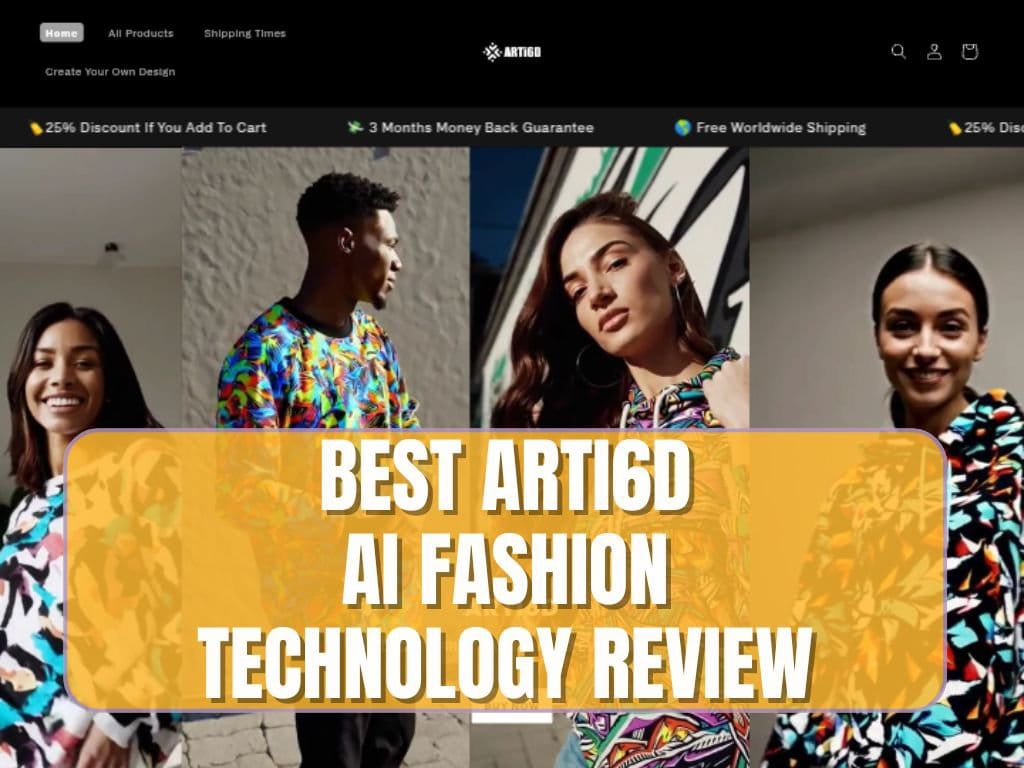
This Secret AI tool Will Make You A Fashion Designer in 5 Mins
Ready to know everything about the trending Arti6D AI fashion technology? That’s great, because the fashion industry is experiencing a mind blowing shift, and if you blink too long, you just might miss it. In a world where most clothing brands are still recycling old trends and mass-producing bland designs,. Arti6D AI is doing something completely different. It’s not just another online store selling flashy hoodies or tees.. This is fashion powered by artificial intelligence (AI). ✅ Think digital artwork infused into everyday wearables. ✅ Think clothes that look like they were pulled from a futuristic gallery. ✅ Think AI-generated art that you can actually wear. That’s not hype. It’s a reality that’s now changing how fashion lovers and digital creators express themselves. People are tired of copy-paste clothing. The same t-shirt design on 1,000 different people? Nah that’s enough! Arti6D AI fashion solves that pain point with wild, psychedelic, anime, monochrome, and surrealist art styles All custom-generated by AI models and even co-created with customers. Whether you’re a designer, brand owner, or just someone who wants your style to scream “ORIGINAL” This is where AI meets high-end virtual fashion and where the fashion industry might just be headed next. So at the end of this post, you’ll not only discover everything about “Arti6D AI Fashion”… You’ll also get perfect answers to: What is Arti6D AI Fashion? How does Arti6D AI work? What are the features of Arti6D AI Fashion Platform? Who is Arti6D AI Fashion for? How can Arti6D AI benefit fashion brands, etc.. So yeah, today you’ll learn to upgrade how you see fashion forever. What is Arti6D AI Fashion? Arti6D AI is an innovative fashion platform that leverages artificial intelligence to create all-over print clothing, turning digital artwork into tangible, wearable pieces. The brand offers a diverse range of unisex apparel, including t-shirts, sweatshirts, and sweatpants, each adorned with AI-generated designs that span various styles Oh yes, from psychedelic and anime-inspired visuals to monochrome surrealism Unlike traditional fashion labels, Arti6D fashion AI positions itself at the intersection of technology and self-expression. The platform’s commitment to inclusivity is evident in its sizing options, ranging from 2XS to 6XL, ensuring that individuals of all body types can find pieces that resonate with their personal style. What sets Arti6D AI apart is its emphasis on personalization. Customers now have the opportunity to collaborate with the brand’s AI models to generate exclusive, one-of-a-kind apparel. This feature empowers users to become co-creators, blending their creativity with advanced AI technology to produce garments that are truly unique. In addition to its innovative design approach, Arti6D AI prioritizes customer satisfaction. The brand offers free worldwide shipping and a 3-months money-back guarantee, reflecting its confidence in product quality and commitment to a seamless shopping experience. How Does Arti6D AI Fashion Work? Arti6D AI operates by integrating artificial intelligence into the fashion design process, enabling the creation of unique, customizable apparel. The platform utilizes AI algorithms to generate intricate designs that are then printed onto high quality garments. Customers can engage with the platform in two primary ways:. First by selecting from an extensive gallery of pre-designed pieces or.. Secondly, by creating their own designs. For personalized creations, users can upload their artwork or collaborate with Arti6D fashion AI’s models to produce exclusive designs. This process democratizes fashion design, allowing individuals without formal design training to bring their visions to life. The production process is streamlined to ensure efficiency and quality. Once a design is finalized, it’s printed onto the chosen garment using advanced printing techniques that capture the complexity and vibrancy of AI-generated art. The finished product is then shipped to customers worldwide, with delivery times averaging between 2 to 7 business days . Arti6D AI’s approach reflects a broader trend in the fashion industry, where AI is increasingly used to enhance creativity, optimize design processes, and offer personalized experiences to consumers . Features of Arti6D AI Fashion Platform Arti6D AI’s platform is distinguished by several key features that cater to modern consumers and fashion enthusiasts: AI-Generated Designs: The platform boasts a vast collection of over 400 original designs, encompassing various styles and themes. These designs are created using advanced AI algorithms, ensuring each piece is unique and visually striking. Customization Options: Users have the ability to personalize their apparel by uploading their artwork or collaborating with Arti6D fashion AI’s models. This feature fosters creativity and allows for the production of truly individualized garments. Inclusive Sizing: Recognizing the diversity of its customer base, Arti6D fashion AI offers unisex clothing in sizes ranging from 2XS to 6XL. This inclusivity ensures that fashion is accessible to all, regardless of body type. High Quality Materials: The brand emphasizes quality in its products, using premium materials that ensure comfort and durability. The printing process captures the intricate details of AI-generated designs, resulting in vibrant, long-lasting apparel. Customer-Centric Policies: Arti6D AI offers free worldwide shipping and a generous three-month money-back guarantee. These policies reflect the brand’s commitment to customer satisfaction and confidence in its products . Sustainable Practices: By utilizing AI in the design process, Arti6D fashion AI reduces waste associated with traditional fashion production. The made-to-order model ensures that garments are produced based on demand, minimizing overproduction and its environmental impact. These features collectively position Arti6D AI as a forward-thinking brand that aligns with contemporary values of creativity, inclusivity, and sustainability. Who is Arti6D AI Fashion for? Arti6D AI Fashion appeals to a diverse audience, including: Fashion Enthusiasts: Individuals seeking unique, statement-making pieces that reflect their personal style will find Arti6D AI’s offerings compelling. The brand’s diverse designs cater to various aesthetic preferences, from bold and vibrant to subtle and minimalist. Creative Professionals: Artists and designers looking to translate their digital creations into wearable art can leverage Arti6D AI’s customization features. The platform provides an avenue for creatives to showcase their work in a new medium. Tech-Savvy Consumers: Those interested in the intersection of technology and fashion will appreciate Arti6D AI’s innovative use of